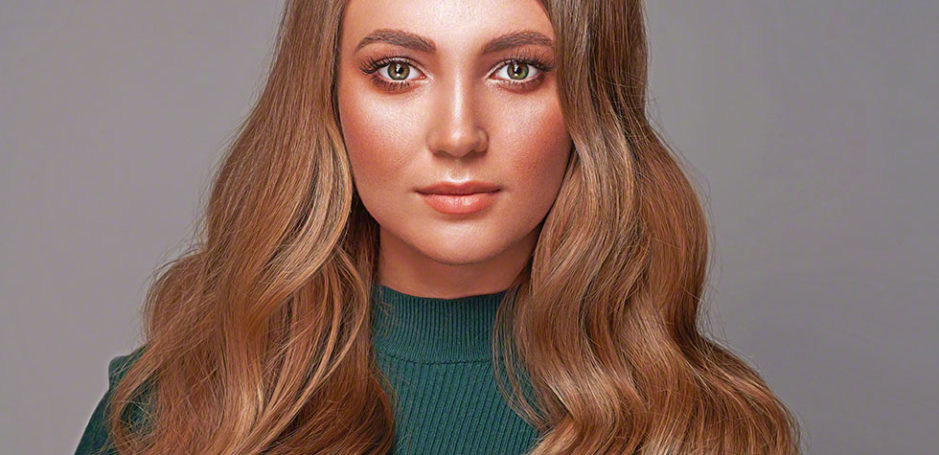
Visiting a professional Balayage hair salon ensures that trained colorists apply this technique with the precision and artistry it demands, as the method requires significant skill, experience, and an eye for color placement that develops over years of practice. Understanding what sets balayage apart from other coloring techniques helps clients make informed decisions about which approach best suits their hair goals, lifestyle, and maintenance preferences while appreciating the unique characteristics that make this method so distinctively popular.
The world of hair coloring has evolved dramatically over the past few decades, introducing countless techniques that promise beautiful, natural-looking results. Among these methods, balayage has emerged as one of the most sought-after coloring techniques, captivating clients and stylists alike with its ability to create dimensional, sun-kissed effects that appear effortlessly beautiful. Unlike traditional highlighting methods that follow strict patterns and rules, balayage represents a more artistic, freehand approach to hair coloring that prioritizes customization and natural-looking results.
The Freehand Application Method
The most fundamental difference between balayage and traditional coloring techniques lies in the application method itself, which eschews foils, caps, and other mechanical tools in favor of artistic brushwork. Balayage colorists paint lightener or color directly onto the hair surface using sweeping motions that create soft, gradual transitions between shades. This freehand technique allows stylists to customize placement for each individual client based on their natural hair color, texture, face shape, and desired outcome.
Traditional foil highlights follow predetermined patterns with uniform spacing and saturation that create more structured, obvious results. The painted application of balayage means no two services look exactly alike, as stylists adjust their brush strokes and color placement to complement each client’s unique features and hair characteristics. This personalized approach requires colorists to possess strong artistic vision and technical skills that go beyond following formulas or standard procedures.
Natural-Looking Dimensional Results
Balayage creates depth and dimension that mimics the way hair naturally lightens from sun exposure, producing results that appear organic rather than obviously colored. The technique focuses color on the mid-lengths and ends of hair while leaving roots darker, creating a gradual transition that grows out beautifully without harsh demarcation lines. Traditional highlights often create more contrast with distinct striping that looks freshly colored but requires frequent maintenance to avoid visible regrowth.
The soft blending achieved through balayage means hair maintains a polished appearance even as it grows, extending time between salon visits significantly compared to methods requiring precise root touchups. This dimensional quality comes from varying the saturation, placement, and tone of color throughout the hair rather than applying uniform color from roots to ends. The interplay of different shades creates movement and visual interest that makes hair appear thicker, healthier, and more dynamic than single-process color or heavily highlighted hair.
Customizable Placement and Versatility
One of balayage’s greatest strengths involves its adaptability to different hair types, lengths, textures, and personal style preferences. Stylists can concentrate color around the face for a brightening effect, focus on ends for an ombre appearance, or distribute highlights throughout for all-over dimension. Balayage hairstyles Rockville range from subtle enhancements that add barely-there dimension to dramatic transformations featuring significant color contrast and multiple tones.
Curly hair, straight hair, fine hair, and thick hair all benefit from balayage techniques adjusted to complement their specific characteristics. The technique works equally well on short pixie cuts, medium-length bobs, and long flowing locks, with placement strategies varying based on cut and desired effect. Traditional highlighting methods often follow standard patterns regardless of individual hair characteristics, while balayage embraces the unique qualities of each client’s hair as part of the design process. This versatility makes balayage appropriate for clients seeking anything from conservative workplace-appropriate color to bold, fashion-forward statements.
Lower Maintenance Requirements
The soft, blended nature of balayage translates directly into reduced maintenance demands that appeal to busy clients who want beautiful color without constant salon appointments. Because balayage intentionally leaves roots darker and creates gradual transitions, regrowth blends seamlessly rather than creating obvious lines that require immediate correction. Most clients can extend time between color appointments to three or four months compared to traditional highlights requiring touchups every six to eight weeks.
This lower maintenance aspect reduces both the time commitment and financial investment required to maintain colored hair over the long term. The technique particularly suits clients who travel frequently, have demanding schedules, or simply prefer a more natural, lived-in hair color that doesn’t require precise timing for touchups. However, maintaining the health and vibrancy of balayaged hair still requires proper home care including color-safe products, deep conditioning treatments, and heat protection to preserve the integrity of lightened strands.
Gentler on Hair Health
Balayage typically causes less overall damage to hair compared to traditional highlighting methods, though all lightening processes affect hair structure to some degree. Because balayage applies color only to selected sections rather than saturating entire heads of hair, larger portions of each person’s hair remain in its natural, unprocessed state. The technique avoids the scalp entirely in most applications, eliminating concerns about chemical exposure on sensitive skin and reducing the risk of irritation or burning. Traditional foil highlights often overlap during retouch appointments, causing previously lightened hair to receive additional chemical processing that compounds damage over time.
Blending with Natural Hair Color
The seamless integration of balayage with natural hair color represents another distinguishing characteristic that sets this technique apart from more structured coloring methods. Stylists select tones that complement rather than contrast dramatically with base color, creating harmony that appears as though nature created the highlights. This tonal blending requires sophisticated color theory knowledge to choose shades that enhance natural pigments rather than fighting against them. Cool-toned natural hair receives cool-toned highlights while warm bases get warm dimensional color, maintaining overall color harmony.
Adaptability for Color Correction
The method also works well for gradually lightening hair without the commitment of all-over bleaching or for adding strategic brightness to lift color that appears too dark or dull. Color correction often requires multiple sessions to achieve desired results while maintaining hair health, and balayage’s gentler approach supports this gradual transformation. Skilled colorists use balayage principles to disguise unwanted tones, create more flattering color placement, and restore dimension to hair that previous coloring has left looking flat or over-processed.
Artistic Expression and Stylist Skill
Unlike formulaic coloring approaches that technicians can replicate by following specific procedures, balayage demands true artistry that showcases individual stylist talents. Each colorist develops their own signature style through years of practice, experimentation, and refinement of technique. The lack of standardized patterns means colorist expertise directly impacts results, making stylist selection crucial for achieving desired outcomes.
Conclusion
The flexibility of balayage means clients aren’t locked into one specific look but can continuously refine and personalize their color as their tastes evolve. Working with professionals at a reputable hair color correction hair salon Rockville ensures that any adjustments, corrections, or evolutions of balayage color receive the expert attention needed to maintain hair health and achieve beautiful results throughout the ongoing color journey that many clients enjoy for years.